The Hidden Reason German Cars Don’t Forgive Guesswork
German cars are built differently. They’re precise, tightly engineered, and deeply reliant on software-driven systems that expect everything to work in harmony, at all times. That’s why German auto repair in Portland OR isn’t just about replacing parts—it’s about understanding the language these vehicles speak. Without brand-specific training and factory-level diagnostics, even simple repairs can spiral into expensive mistakes.
Brand-specific training and factory-level diagnostics are essential for German auto repair. Integrated systems and proprietary software demand certified technicians and manufacturer-grade tools to guarantee lasting reliability.
German Engineering Isn’t Complex by Accident—It’s Intentional
German cars are designed as complete systems, not a collection of independent components. The engine communicates with the transmission. Brake service interacts with stability control. Electrical system troubleshooting affects everything from lighting to ADAS. This approach delivers exceptional driving feel—but it also means mistakes compound quickly.
Drivers in Portland often ask, Why does my car feel perfect one week and throw three warning lights the next? The answer usually comes down to improper diagnostics or repairs that didn’t follow factory procedures. German manufacturers assume technicians have specialized training and the right diagnostic equipment. When that assumption isn’t met, problems stack up.
Local conditions matter too. Portland’s stop-and-go traffic, wet roads, and seasonal temperature swings put extra stress on vehicles. That’s where experienced, brand-trained professionals make the difference.
Why Brand-Specific Training Matters More Than General Experience
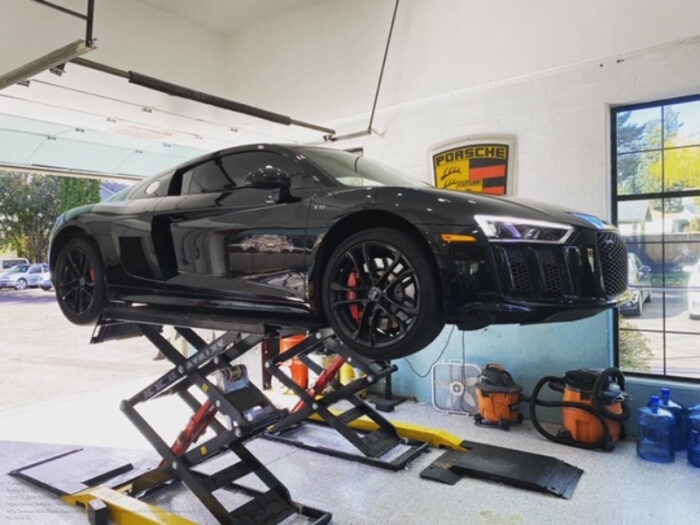
Not all auto repair shops are created equal. General experience helps, but it doesn’t replace training specific to Audi, Porsche, or Volkswagen repair or service. German-import vehicles use proprietary software, unique fasteners, and engine components that behave differently from those in domestic or Asian cars.
Certified technicians learn how factory-scheduled maintenance actually works, not just when to change oil. They understand how transmission service affects communication with the engine, how wheel alignment interacts with stability systems, and why cooling systems operate differently based on mapping. That training prevents missteps that lead to repeat visits and rising costs.
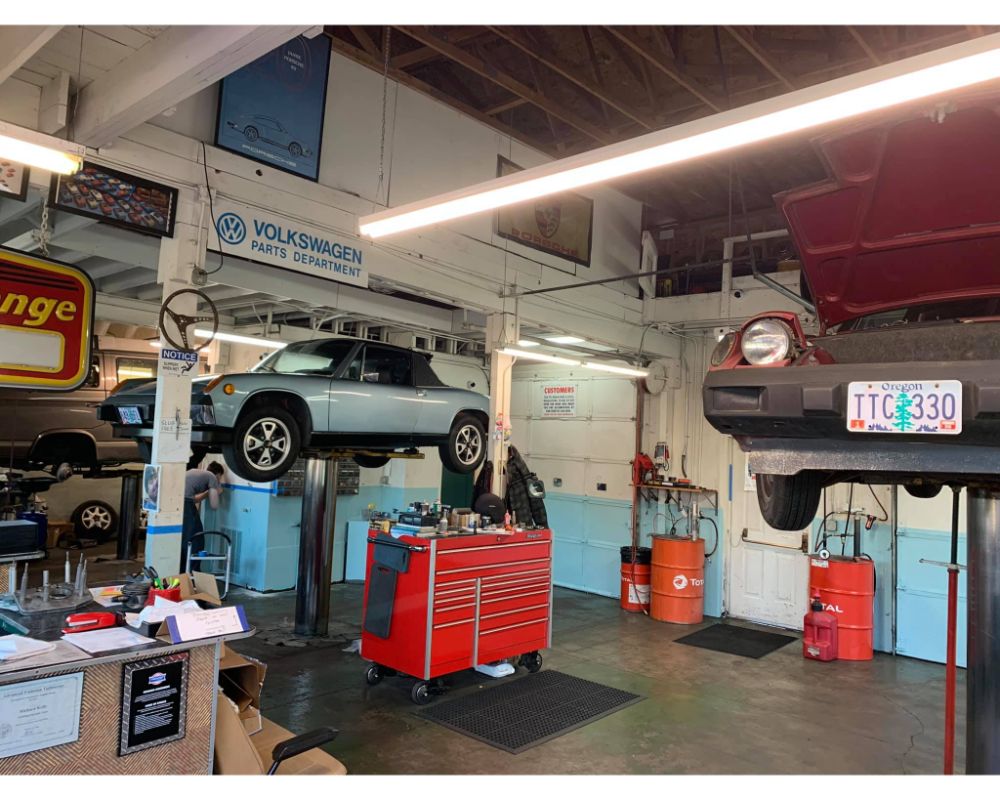
This is where shops like Trafton’s Foreign Auto stand apart. Decades of working on German cars—alongside brands like Bentley and Lamborghini—builds pattern recognition you can’t fake. It’s the difference between guessing and knowing.
Need German Auto Repair Services Without The Guesswork?
Contact Trafton’s Foreign Auto today and experience brand-specific care you can trust.
The Common Mistakes That Cost German Car Owners Thousands
Many issues start with good intentions and end with expensive consequences. One of the most common mistakes is assuming all repair shops can handle German automotive service the same way. They can’t.
Another frequent problem is using non-OEM parts where factory components are required. A slightly off-spec sensor can trigger check-engine-light errors. Aftermarket brake service parts may affect rotor resurfacing or braking balance. Even something as basic as an oil change can cause issues if the wrong synthetic oil is used.
DIY repairs are another culprit. Without factory-level diagnostic services, it’s nearly impossible to accurately diagnose problems in modern German vehicles. Misdiagnosis leads to unnecessary repairs, wasted money, and frustration.
How Factory-Level Diagnostics Prevent Costly Guesswork
Factory diagnostics don’t just read error codes—they interpret behavior. Professional systems access manufacturer-specific data, real-time performance metrics, and adaptation values. That allows technicians to diagnose problems accurately the first time.
This matters for everything from electrical system troubleshooting to diagnosing coolant loss or determining the need for a thermostat replacement. Advanced diagnostics also support emissions testing and calibrations. Without them, repairs become educated guesses.
According to the Motorist Assurance Program, proper diagnostics reduce repeat repairs and improve vehicle reliability by addressing root causes instead of symptoms.
Why Treating German Cars Like “Normal” Vehicles Backfires
German manufacturers don’t design vehicles with shortcuts in mind. Systems are interconnected by design, which means that a transmission repair affects engine performance and that a brake repair influences electronic stability control.
When repair shops treat German cars like generic import cars, they miss critical steps. Calibrations are skipped. Software updates are ignored. Sensors are replaced without adaptation. Over time, this leads to drivability issues, warning lights, and performance loss.
That’s why experienced owners avoid repair shops that promise quick fixes without diagnostics. Precision takes time—but it saves money in the long run.
Best Practices That Keep German Cars Reliable in Portland
Professional German auto repair follows a disciplined approach:
- Diagnose problems using factory-level tools before replacing parts.
- Use OEM or manufacturer-approved components for critical systems.
- Follow factory repair sequences and torque specifications.
- Verify repairs with post-service testing and calibration.
These steps matter even more in Portland’s climate. Frequent braking in traffic, wet road conditions, and temperature changes demand accurate brake service, cooling system service, and preventative maintenance. Skipping steps today often means big expenses tomorrow.
Expert Insight: Why Diagnostics Pay for Themselves
Experienced technicians often say diagnostics are the cheapest part of a repair. Why? Because they prevent unnecessary work. Instead of replacing parts until the problem goes away, professionals diagnose problems precisely.
Shops like Trafton’s Foreign Auto also invest in customer service features that make professional care easier, including transparent explanations, and long-term maintenance planning. That’s how trust is built.
What to Remember Before Your Next German Auto Repair
German auto repair isn’t about being fancy—it’s about being correct. Brand-specific training ensures technicians understand how systems interact. Factory-level diagnostics ensure problems are identified accurately. Together, they protect performance, safety, and resale value.
For drivers comparing general automotive shops, quick lube shops, and specialized automotive shops, the real question isn’t who’s cheapest. It’s who understands your vehicle best.
That’s the core of German auto repair done right.
Why Choosing Trafton’s Foreign Auto is the Smart, Long-Term Decision
We at Trafton’s Foreign Auto provide the best solutions to our customers because we understand German vehicles at a deeper level. Our work isn’t rushed, guessed, or generic. It’s grounded in brand-specific training, factory-level diagnostics, and decades of hands-on experience with German import vehicles.
We showcase our services through precise diagnostics, accurate repairs, and long-term maintenance strategies that protect performance and reliability. From routine maintenance to complex engine and transmission repairs, our team focuses on doing the job right the first time.When precision matters, experience makes the difference and that’s why drivers trust us for German auto repair in Portland, OR. Contact Trafton’s Foreign Auto for expert services today.
Need German Auto Repair Services Without The Guesswork?
Contact Trafton’s Foreign Auto today and experience brand-specific care you can trust.