The Importance of Specialized Tools & Diagnostics
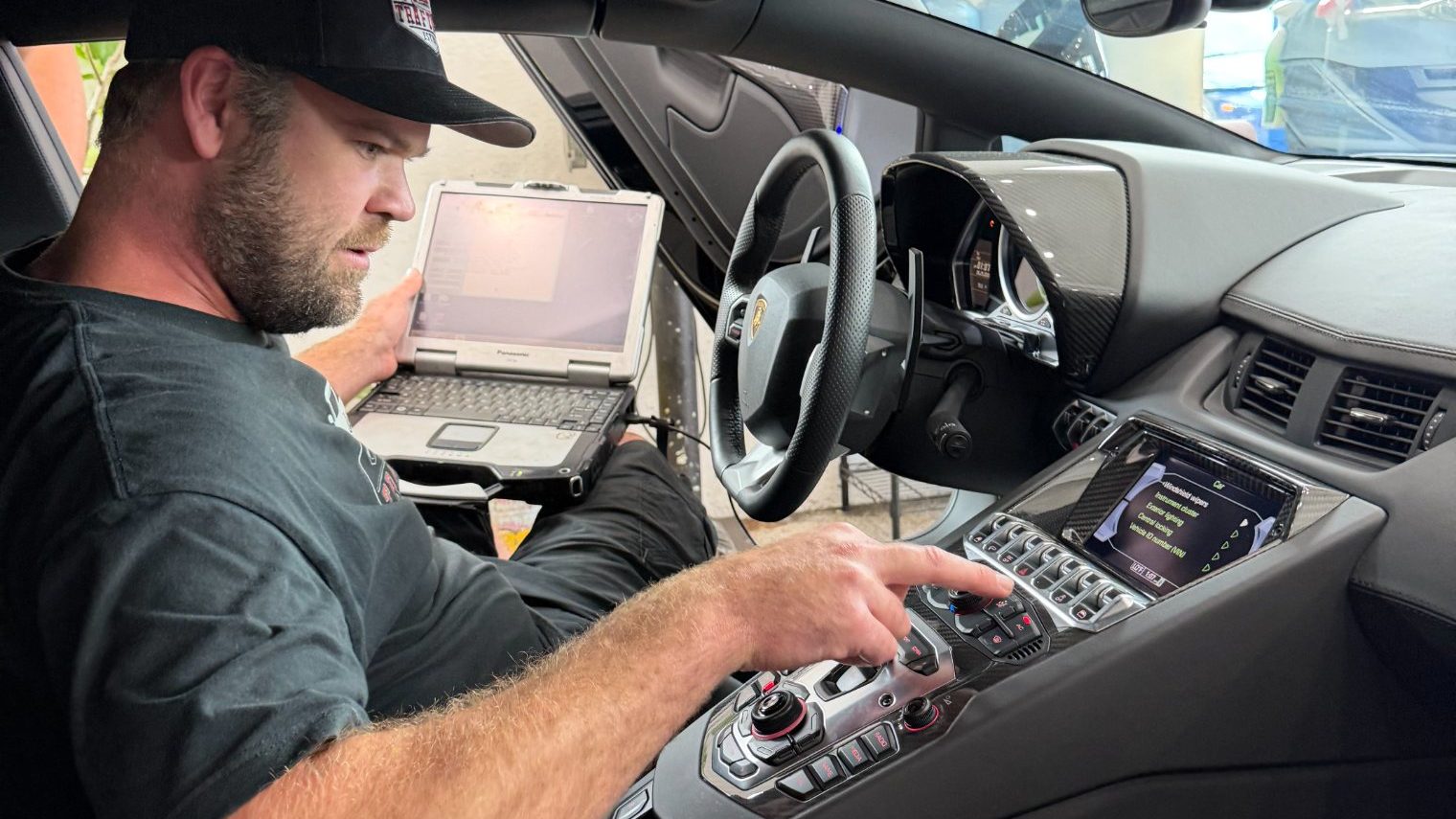
A generic OBD reader tells you a light is on. It rarely tells you why. On a German car, the difference between those two things can be hundreds of dollars.
A code is a clue, not an answer
When a check-engine light comes on, a cheap scanner might report a generic code — say, a misfire or a lean condition. But that code is the symptom, not the cause. A lean code could be a failing sensor, a vacuum leak, a fuel-delivery issue, or a cracked intake boot. Replacing the part the code names is how people end up spending money twice.
What factory-level diagnostics actually do
Manufacturer-grade diagnostic systems talk to every module in the car — engine, transmission, ABS, airbags, comfort electronics — in the language the factory uses. We can watch live data, run guided tests, check adaptation values, and pinpoint the failing component instead of guessing. On a quattro Audi or a DSG Golf, that depth is the only way to do the job right.
The right physical tools, too
German cars also need the right hardware: timing-lock kits, counter-hold tools, the correct torque specs and procedures. Using them protects your car and ensures a repair that lasts. It's the unglamorous side of doing things properly.
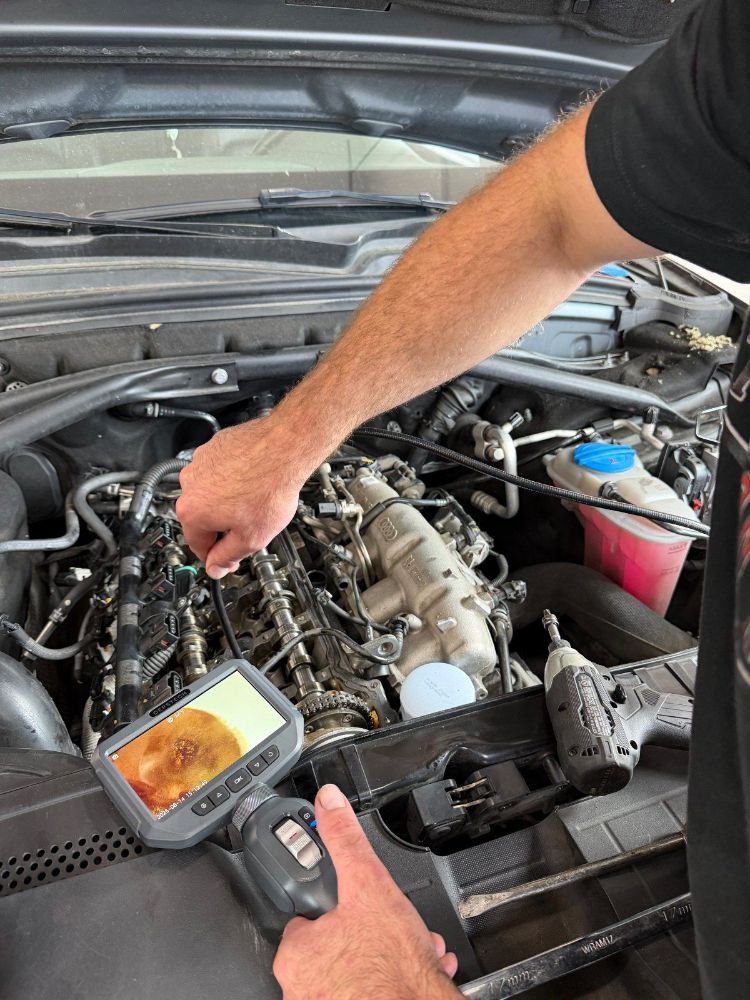
It also means the right eyes. A borescope lets us snake a camera into a cylinder, an intake port or deep behind the timing cover and actually see carbon, scoring or wear — confirming a diagnosis without pulling the engine apart on a hunch.
Why it saves you money
Accurate diagnosis means you pay to fix the actual problem — once. It's faster, it's cheaper in the long run, and it's the whole reason a marque specialist exists. When everyone in the building genuinely loves VWs, Porsches and Audis, the tools to do them justice come with the territory.